How to rank in ChatGPT search results to boost your visibility in the AI era

As AI-driven search engines like ChatGPT step into the spotlight, the SEO game is in for a big shake-up. Gone are the days when search engines were just a list of links. Today, AI search tools don’t just suggest sites—they answer questions, dish out advice, and cut straight to what the user actually wants. So if you’re looking to rank in ChatGPT search results, let’s dive into strategies to help your content stand out in this direct, answer-focused world.
What does it mean to rank in ChatGPT?
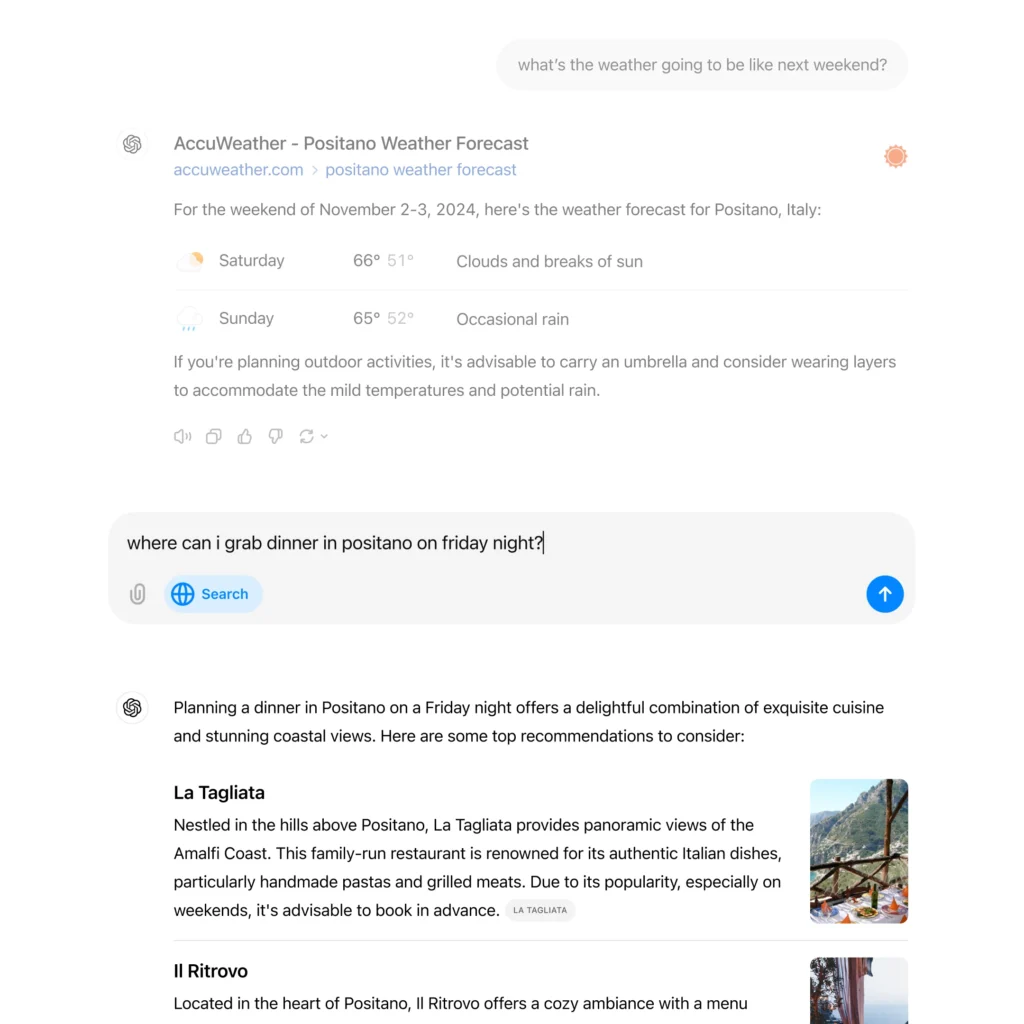
Let’s face it, ChatGPT isn’t your average search engine. It doesn’t just serve up links; it dishes out complete answers, tailored to the user’s exact question. Ranking here doesn’t mean just landing on a page of links. It means becoming the source that ChatGPT taps to give users what they’re asking for. And let’s be real, this isn’t just a trend—it’s the future. It’s time to think beyond keywords and focus on giving clear, valuable answers that satisfy real curiosity, not just the algorithm’s appetite. If you’re serious about learning how to rank in ChatGPT search results, read on.
Why this shift to AI-driven search is a game-changer
Honestly, I’m thrilled about this shift toward AI-powered search engines like ChatGPT. Traditional SEO strategies might have gotten your site to rank high on Google, but let’s be real—once a user clicked through, they were often met with a wall of awkward, keyword-stuffed text that only a Google bot could love. Those “optimized” pages? They might have hit the SEO best practices checklist but often missed the whole point: helping the actual human who came for a quick answer.
Let’s talk about recipes for a second. I love cooking and often turn to Google for new recipes. But here’s what usually happens: I click on what seems like the perfect recipe link, get hit with a long-winded cookie policy (that might as well say “accept or else”), then fight off a barrage of autoplaying ads, pop-ups, and distracting videos. Finally, after what feels like a mile of scrolling through Karen’s life story—about her grandma’s wooden spoon, her affiliate-linked non-stick pan, and a thousand synonyms for “delicious”—I might actually reach the recipe. Might.
With ChatGPT, all this clutter is gone. Ask for a recipe, and guess what? You get the recipe—not Karen’s latest Amazon haul or a novel’s worth of filler paragraphs. Sorry, Karen, but this is what search should be: clean, direct, and helpful. You might have to wow us with something other than SEO hacks now. Maybe, say, an actually unique recipe?
Proven ways to make ChatGPT notice your content
So how do you adapt your content to succeed in ChatGPT? Here’s what works in this no-nonsense, answer-driven ecosystem.
1. Understand user intent
AI tools like ChatGPT are all about context. When people search using AI, they’re asking specific questions. So think like a user and dive into the questions people in your industry are actually asking.
Check out tools like AnswerThePublic or the “People Also Ask” box on Google to identify common questions. Then, don’t just answer them—nail them. If you’re in fitness, instead of “best workouts,” cover “best home workouts for beginners” or “how to start strength training from scratch.” This approach is crucial for anyone creating content, especially if you’re launching a startup and want to establish a strong online presence from the beginning.
2. Structure your content to answer questions directly
ChatGPT favors answers that get straight to the point. Organize your content around specific questions, and answer them clearly and concisely.
Start with a short, direct answer, then follow up with details, examples, or bullet points. And don’t bury the lead—keep the juicy answers front and center, and save the fluff for, well, nowhere.
3. Add schema markup for structured data
Schema markup isn’t just for Google—it’s crucial for ChatGPT, too. By adding FAQ, HowTo, or Product schemas, you make your content easier for AI to understand and rank.
Use Schema.org to give your content a “road map” that ChatGPT can follow. Tag sections clearly to let AI know, “Hey, this content is structured and ready to answer user questions.”
4. Write for a human, not an SEO bot
ChatGPT thrives on conversational, natural language. Think of your content as a conversation rather than a rigid structure. Keep sentences clear and write as if you’re actually speaking to someone (because, through ChatGPT, you are).
Avoid keyword-stuffing at all costs. Instead, focus on common phrases users might say aloud or type when asking a question. This isn’t about packing in every keyword; it’s about making it sound right.
5. Build your authority
ChatGPT leans toward trusted sources, so if you want to rank in ChatGPT search results, you need credibility. Regularly publish accurate, in-depth content that showcases your expertise.
Cite reputable sources, link to industry experts, or throw in a few well-researched stats. If you can back up your points with data and expert insights, ChatGPT will be more likely to treat you as a trusted source.
6. Keep content fresh
ChatGPT prioritizes up-to-date content, so keep your posts current. Regularly review and update your key pages, refreshing statistics, links, and tips as needed.
When your content stays fresh, it stays relevant. This doesn’t just boost your chances of ranking in ChatGPT—it keeps users coming back for trustworthy, accurate information.
No, Karen, changing the title from ‘Best stew in 2024’ to ‘Best stew in 2025’ isn’t going to do the trick.
7. Use high-quality visuals
While ChatGPT mainly deals in text, it pulls value from visuals too. High-quality images with clear descriptions can enhance your content and help your chances of being selected by AI.
Use visuals that actually add value, like infographics or step-by-step images. And don’t forget the alt text—AI needs those descriptions to “see” what’s on the page.
8. Optimize for voice search
AI platforms like ChatGPT align closely with voice search, as both rely on natural language. Make sure your content is voice-search-friendly by focusing on long-tail keywords and conversational answers.
Think about how people talk to search engines: “What’s the best way to rank on ChatGPT?” versus “rank ChatGPT.” Small adjustments in phrasing make a huge difference here.
Making ChatGPT search results work for you
Embracing AI-driven search like ChatGPT isn’t just about tweaking a few keywords. It’s about rethinking how you communicate, how you answer questions, and how you provide value immediately. When you create content that’s conversational, direct, and user-focused, you’re not just optimizing for search—you’re building trust and becoming the expert users turn to.
In the world of ChatGPT, the most valuable voices aren’t the loudest; they’re the clearest. Cut the noise, drop the fluff, and let’s make your content the answer people (and ChatGPT) are looking for.
